
How to keep a wig from slipping - proven solutions and 12 easy steps for a secure fit

Practical ways to stop a wig from sliding and achieve a confident, secure fit
If you've ever wondered "how to keep a wig from slipping" during daily activities, on a windy day, or while exercising, this comprehensive guide gathers proven solutions, practical tips, and a clear 12-step routine to help your wig feel stable and natural. Whether you wear lace fronts, full-caps, hand-tied wigs, or synthetic pieces, adopting the right combination of preparation, accessories, and maintenance can dramatically reduce slippage and protect both your wig and your scalp. This article emphasizes user-friendly methods and SEO-focused clarity so you can quickly find the right technique that fits your lifestyle.
Why wigs slip: common causes and simple diagnostics
Understanding the reasons behind movement is the first step toward a secure fit. Most slippage falls into a few categories: improper cap size, slick or oily scalp, wrong cap style for your activity, missing retention elements (combs, straps), and environmental factors like humidity or high winds. A careful assessment helps you match the remedy to the cause.
Quick checklist to diagnose a slipping wig
- Measure cap size: Is the wig too large at the perimeter?
- Cap type: Lace front, monofilament, machine-made — each behaves differently.
- Scalp surface: Is it oily, very dry, or sweaty?
- Attachment features: Are combs present and intact? Is the adjustable strap functioning?
- Activity level: Do you need extra security for sports or dancing?
Top methods reviewed
Below are the most reliable approaches professionals and long-term wig wearers use to prevent movement. These are arranged from least invasive to most permanent so you can choose based on comfort and commitment.
- Adjustable straps and internal combs: Many wigs include adjustable elastic straps; tighten them to reduce perimeter circumference. Add internal wig combs or sew-in wig combs to provide grip near the temples and nape.
- Wig grip bands: A soft velvet or silicone-lined wig band worn under the wig prevents shifting. It is great for short periods and gentle activities.
- Wig caps with texture: A non-slip, textured wig cap creates friction between scalp and wig cap; useful for everyday wear.
- Double-sided wig tape: Medical-grade wig tape applied along the hairline and nape offers secure adhesion and is removable; choose breathable tape for sensitive skin.
- Liquid wig adhesives: For long-term secure wear, professional-grade adhesives bond the lace to the skin. This method provides the most stability but needs proper removal care.
- Sewing or elastic band method: Sew an elastic band within the wig from ear to ear to create a custom, snug fit; this works especially well for heavy wigs.
- Styling to anchor: Incorporating natural hair into braided or pinned styles and anchoring with bobby pins can increase hold.
- Scalp prep: Clean and dry scalp before application; use alcohol wipes to remove oils for better adhesion.
- Silicone strips: Thin, transparent silicone strips applied to the hairline add grip without adhesives.
- Edge control and gel: For lace fronts, using edge gel under the lace can help adhesives bond better and secure edges.
- Custom fittings: Have the wig professionally fitted and adjusted to your unique head shape for the best long-term solution.
- Alternative adhesives and primer combinations: Pairing skin-safe primer with the right adhesive increases longevity while protecting skin.

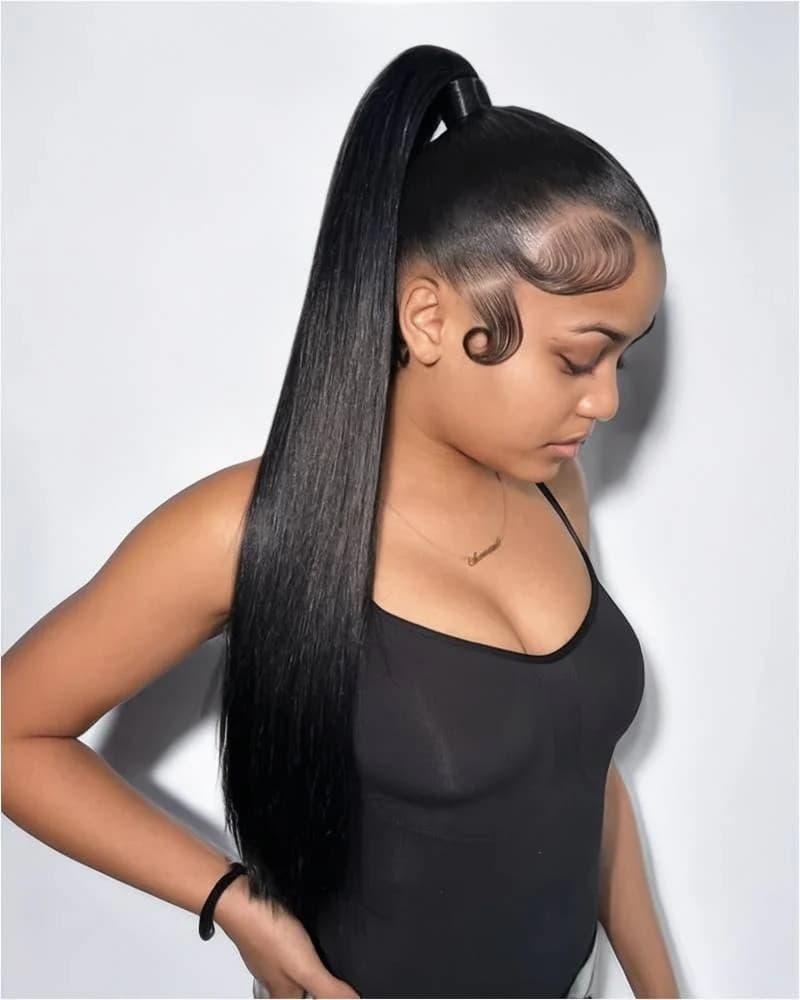
12-step secure-wig routine you can follow daily
Use this easy-to-follow routine when you need reliable, repeatable results; each step helps reduce movement and improves comfort. Follow all steps for maximum security or pick the most relevant ones for your situation.
- Clean and dry your scalp: Remove oil, sweat, and residue with a gentle alcohol-free cleanser or an alcohol wipe if you're using strong adhesives. Oily skin dramatically reduces adhesive performance and increases slippage.
- Measure and adjust the cap: Re-check cap size; use the wig's adjustable strap to tighten. If there's still looseness, plan to sew in an elastic band or use padding at the crown.
- Wear a proper wig cap: Choose a cap that matches your scalp texture—velvet or silicone-lined for non-slip effect, or thin breathable mesh if you prefer ventilation.
- Place wig combs or clips: Insert small wig combs near the temples and nape; use bobby pins to anchor through combs into your own hair if available. Comb placement should feel snug but not painful.
- Apply a wig grip band (optional): For all-day comfort and sweat control, place a velvet or silicone wig grip band around your head under the wig; it increases friction and prevents sliding.
- Use double-sided tape for extra hold: Apply short strips along the hairline and nape. Press the lace or wig edge firmly onto the tape and hold for 20–30 seconds to ensure bonding.
- Seal with adhesive or primer as needed: For longer wear, apply small amounts of skin-safe adhesive along the hairline. Use a primer designed for lace to improve adhesion. Allow tack time for both primer and glue.
- Smooth and style edges: Gently press the lace down and use edge gel or a soft brush to blend. Avoid excessive pulling of the lace which can loosen the adhesive.
- Sew an internal elastic band if needed: For heavier wigs, sewing an elastic band from ear to ear inside the cap creates a helmet-like hold. Use narrow elastic and stitch at multiple points for even tension.
- Test with movement: Shake your head, squat, and breathe hard to check stability. Re-tighten straps or apply extra tape if you feel any slip.
- Protect during activity: During sports or windy conditions, add a headband, scarf, or adhesive strips to the perimeter to minimize exposure and catching.
- Remove safely: Use an adhesive remover to dissolve tape or glue; do not rip off a bonded lace front. Clean both scalp and wig after removal to extend lifespan and maintain a stable base for next wear.
Detailed techniques and product suggestions
Not all methods suit every person. Here are guidelines depending on needs:
Daily wear and comfort-focused solutions
- Velvet wig grips or silicone-lined caps are comfortable for office, travel, and casual activities.
- Use internal adjustable straps and light combs—no adhesives needed.
- Lightweight wigs are less prone to movement; choose breathable caps.
Active lifestyle and sports
- Combine a secure wig band, sewn-in elastic, and tape at the hairline for high-impact activities.
- Consider a breathable, athletic-specific wig cap and sweat-wicking liners to prevent slippage caused by moisture.
Long-wear and special occasions
- Liquid adhesives with primer offer the longest hold for multi-day events; ensure you follow safe application and removal protocols.
- Professional installation by a stylist can create an undetectable and secure fit.
Troubleshooting: problems and fixes
If your wig still slides despite precautions, try these targeted solutions:
- Wig shifts at the temples: Reposition or add combs near the temples; re-tighten adjustable straps.
- Back lift at the nape: Apply extra tape at the nape or place a small foam pad to fill excess space and create force against the cap.
- Front edge lifting: Use a lace adhesive or additional tape and seal with a setting spray.
- Sweat-induced movement: Use moisture-wicking inner caps and change them daily; consider non-waterproof adhesives or tapes designed for sweat.
Maintenance to keep your wig performing well
Proper care extends the life of your wig and maintains fit. Clean adhesives from lace and hair after each extended wear, store wigs on a mannequin head to retain shape, and periodically check and replace wig combs or straps. If you used a sewn-in elastic, inspect stitching for wear and re-stitch if needed.
Safety and skin health considerations
Prioritize skin-friendly products: choose hypoallergenic tapes and adhesives, always perform a patch test for new adhesives, and use gentle adhesive removers designed for skin. Avoid leaving strong adhesives on for longer than the product recommends, and give your scalp days without adhesives to breathe and recover.
Cost-effective DIY alternatives
On a budget, several inexpensive options work surprisingly well: a snugly tied scarf under the wig for temporary outings, strategically placed bobby pins, non-slip rubberized headbands, and home-sewn elastic adjustments. These low-cost fixes can carry you until you invest in more durable solutions.
When to seek professional help
Visit a professional wig stylist if you need: custom cap alterations, lace front tinting, permanent sew-ins, or assistance with long-wear adhesives. Stylists can shape the wig to your head, recommend the right products, and teach safe removal techniques.
Summary checklist: how to keep a wig from slipping — quick reference
- Clean scalp and lace before applying adhesive.
- Measure cap size and adjust strap or sew elastic.
- Choose appropriate cap and grip band for activity level.
- Use combs and bobby pins for extra anchoring.
- Consider tape or adhesive for long wear, but follow safe removal procedures.
- Test movement and reapply as needed.
Throughout this guide the phrase how to keep a wig from slipping has been highlighted to help you find targeted solutions quickly. Repetition and contextual use within headers, lists, and steps improve discoverability for common searches and match user intent for practical, step-by-step instruction.
Extra tips from stylists
Stylists often recommend combining methods: a textured wig cap under a sewn-in elastic band plus discreet tape along the hairline yields a nearly unshakeable fit while remaining comfortable. They also advise periodic scalp care and rotation of adhesives to reduce irritation. Use small, consistent patches of tape rather than long strips to avoid skin strain during removal.
Natural look and blending
To keep your wig secure without compromising a realistic hairline, use thin strips of tape under the lace and melt the edge with a gentle setting product. For lace fronts, tint the lace to match your skin tone and blend baby hairs for a seamless transition. These steps help keep the lace pressed down and reduce the temptation to adjust the wig frequently, which often causes slipping.
Environmental and seasonal considerations
Hot, humid weather increases sweat, so rely on moisture-wicking caps and stronger tapes in summer. In winter, static can cause shifting; use anti-static sprays and heavier bands to stabilize movement. For windy conditions, a scarf or headband over the wig can prevent it from catching and moving.
Checklist for travel and quick fixes
- Pack extra tape, a small comb, and emergency bobby pins.
- Carry a travel-size adhesive remover for safe quick-release if needed.
- Bring a compact wig grip or soft headband for easy on-the-go reapplication.
Closing thoughts
Whether your priority is comfort, performance for athletic activities, or full-day security for special events, a combination of scalp prep, proper cap selection, mechanical anchors, and adhesives offers reliable results. Use the 12-step routine as your baseline and adapt elements to suit your scalp sensitivity and lifestyle. If you experiment systematically, you will find the best combination that answers your specific concern of how to keep a wig from slipping.
FAQ
Q: How long can I safely wear tape or adhesive?
A: It depends on the product: some medical-grade tapes are designed for 24–48 hours of wear, while certain liquid adhesives can last several days. Always follow manufacturer instructions, monitor your scalp for irritation, and use a safe adhesive remover when taking the wig off.
Q: Is sewing an elastic band permanent?
A: Sewing an elastic inside the cap is a semi-permanent modification that can be removed or adjusted by a seamstress. It provides strong security and is recommended for heavy wigs or active users.
Q: Can I use household tape in a pinch?
A: Avoid regular household tapes on skin; they can cause irritation and damage the lace. Use medical-grade double-sided wig tape or fashion tape designed for skin contact instead.
Related products
Blog
- How to Use a Wig Clip Step by Step Guide for Beginners to Secure Natural-Looking Styling
- how to put on a 360 lace wig in 7 easy steps for a natural, secure fit
- how to pluck a lace wig step-by-step guide for a natural salon-ready hairline
- does diane miller on gh wear a wig Explained With Photo Evidence and On Set Hairstyle Secrets
- do judges wear wigs in england - why the tradition continues and what has changed
- is bella wearing a wig in breaking dawn fans debate the hair mystery and on set styling secrets
- does rhonda walker wear a wig Unpacked with Photos and Expert Insight
- why does candace delong wear wigs explained in detail with styling insights and what it signals to fans